Professor
Listen to the testimony
Audiodescription
TRANSCRIPT
“My background is in teaching. Today, I have Parkinson’s disease. I’m 61 years old. So no, I’m not retired—I’m still receiving some social assistance. In 2017, I ended up living on the streets, and I’ve been here ever since. But the biggest fear is lying down and not waking up—do you know why? Because of violence, because of someone acting out of anger.
You can’t say what day you received your benefit or assistance. There are people who are homeless and there are those in a situation of homelessness—they’re different. Some weren’t before, like me, but now I am. We had a meeting this week—people living on the streets versus business owners. At first, they thought we were a problem—and some still do. So they want to ‘clean it up.’ But what we want is dignity. You can’t demonize people living on the streets—they are not demons. Recently, a man drove by slowly in his car and said, ‘I’m going to shoot all of you.’ And judging by the car, he was a businessman.
Not everyone on the streets is “of the streets.” There are other factors, other dynamics that make things harder—especially people involved in selling drugs. And those people often have homes. So the greatest fear is someone losing control, and you go to sleep and don’t wake up. Or someone mistaking you for someone else. Many people sleep with their heads covered, others don’t—they leave their faces exposed. And you never know what kind of madness or anger might come your way. People say, in everyday language, that all Black people look alike—that’s already prejudice.
I’ve seen it—I’ve slept at the National Library of Brasília, and someone uncovered my face. There were two of them together, and one said, ‘No, it’s not him.’ He was looking for someone. Those are the biggest fears—the constant unease. You never sleep fully; you wake up at any noise, any movement.
The restroom in the Setor Comercial is the best in the area in terms of hygiene. There are only two restrooms, one for each gender. The demand is very high, and during peak hours it’s even higher. And weekends are a problem—something that needs to be addressed. It’s as if on Saturdays and Sundays no one is allowed to meet their basic needs. I think it can’t be closed, because it serves everyone who is here. And now we find ourselves in this situation also due to a lack of contributions and partnerships.
Our greatest concern is that this restroom might close. It didn’t exist before, and things were much worse back then in terms of health and hygiene.”
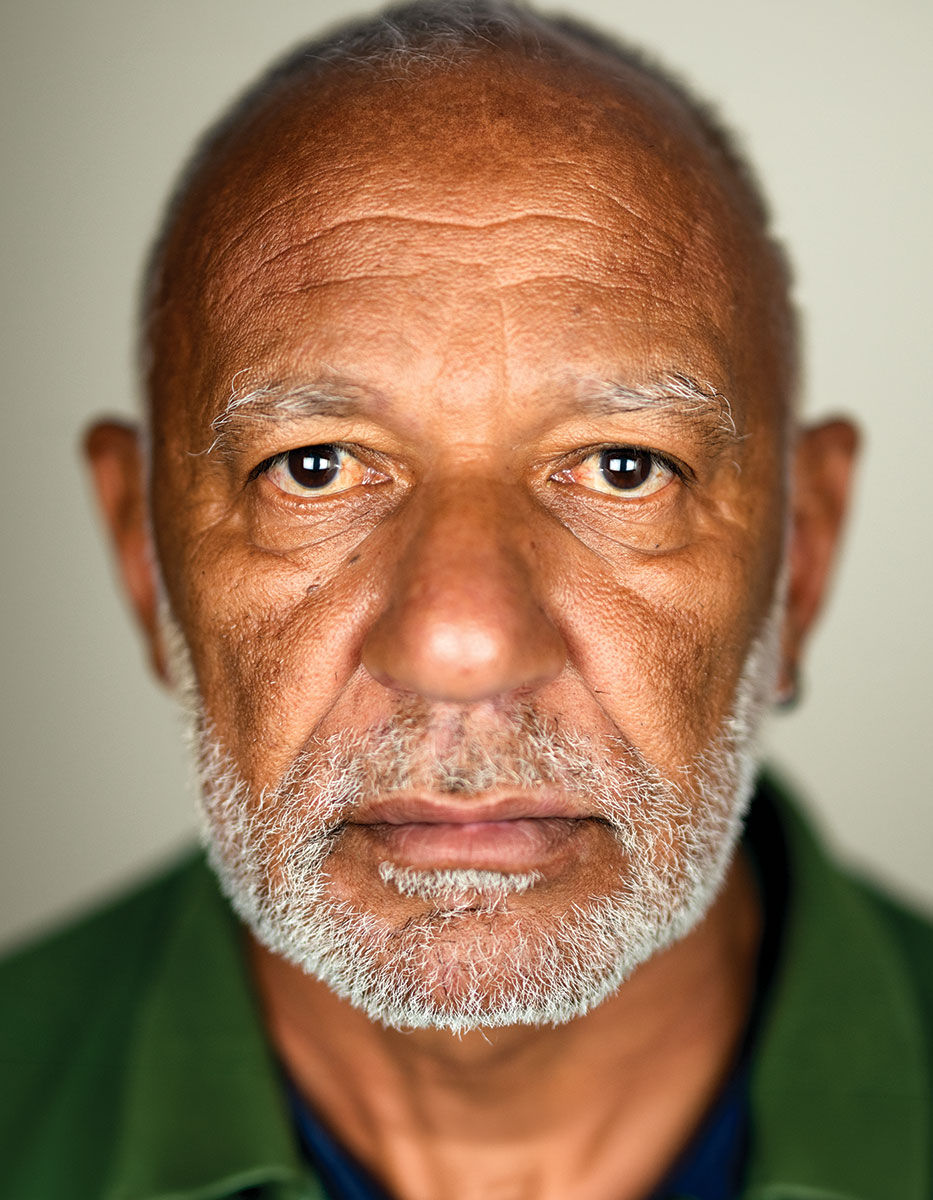
“And the guy said, ‘I’m going to shoot all of you.’
And judging by the car, they were businesspeople.”
